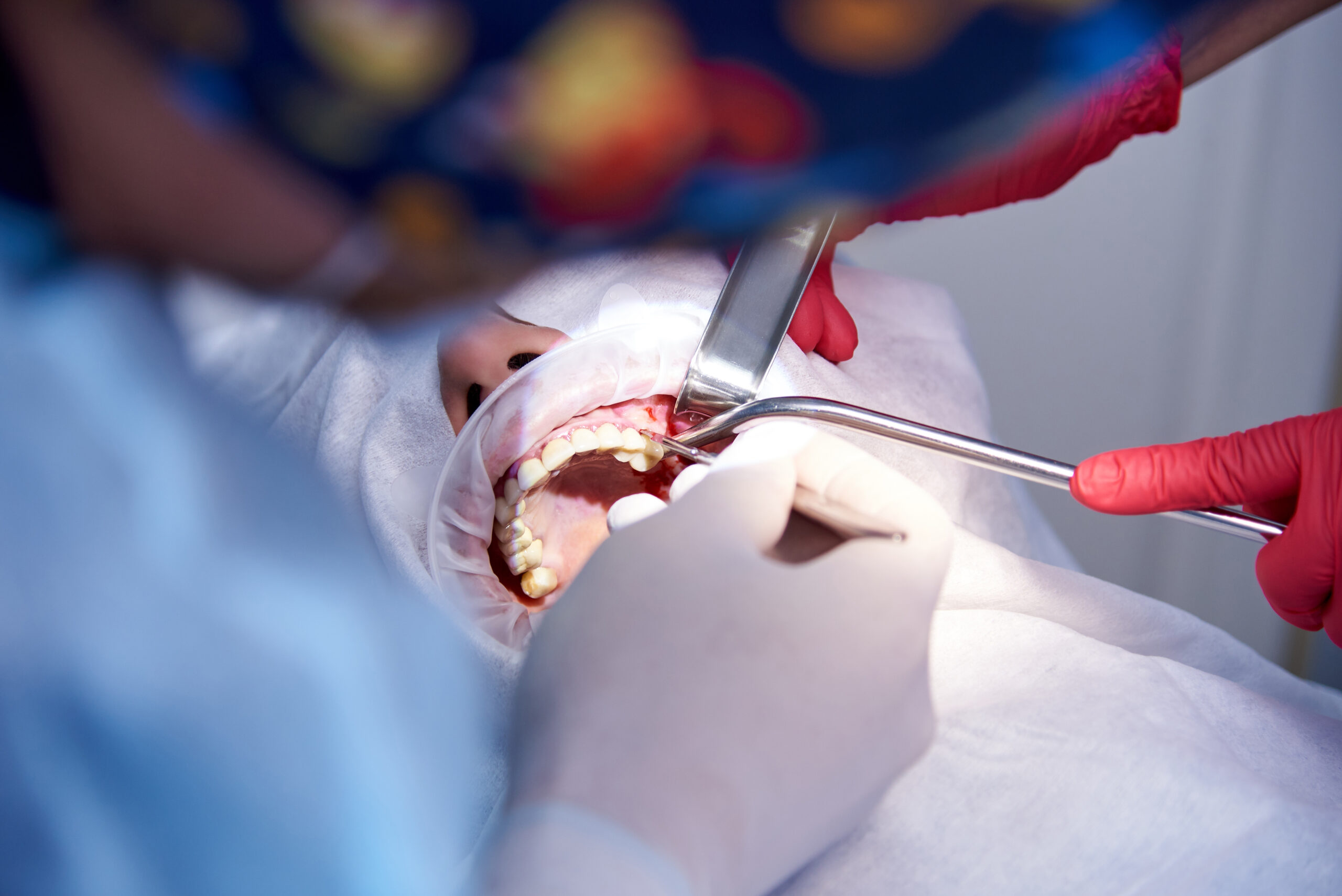
When Saving Your Tooth Isn't Possible, We'll Help You Move Forward.
Our first priority is always preserving your natural teeth. But when an extraction becomes the healthiest option, you can trust our team to make the process as comfortable, straightforward, and stress-free as possible.

Conservative Care. Honest Recommendations.
Having a tooth removed can feel overwhelming, especially if it comes as a surprise.
At Comprehensive Family Dentistry OKC, tooth extraction are never our first recommendation. We carefully evaluate every tooth using advanced diagnostics and discuss all reasonable treatment options before recommending removal.
If an extraction is the best path forward, we'll explain exactly why, answer every question, and create a treatment plan focused on protecting your long-term oral health.
Unlike practices that recommend removing teeth as a routine solution, our philosophy is different. Whenever possible, we'll help you keep your natural teeth. An extraction is only recommended when we truly believe it's the healthiest long-term choice.
When Is a Tooth Extraction Necessary?
Although we always look for ways to save natural teeth, extraction may be the healthiest option when:
- 01 A tooth is too damaged to be restored
- 02 Advanced decay has made the tooth non-restorable
- 03 Severe infection cannot be predictably treated
- 04 Advanced gum disease has compromised support for the tooth
- 05 A fractured tooth extends below the gumline
- 06 Orthodontic treatment requires additional space in select cases
Every recommendation is based on your individual situation, never a one-size-fits-all approach.
Why Patients Choose CFD for Tooth Extractions
- ✓ Conservative treatment philosophy focused on saving natural teeth whenever possible
- ✓ Advanced 3D imaging for accurate diagnosis and treatment planning
- ✓ Multiple sedation options for greater comfort
- ✓ Bone preservation options, including PRF, bone grafting, and collagen plugs when appropriate
- ✓ Comprehensive care under one roof
- ✓ Personalized treatment plans and clear communication every step of the way
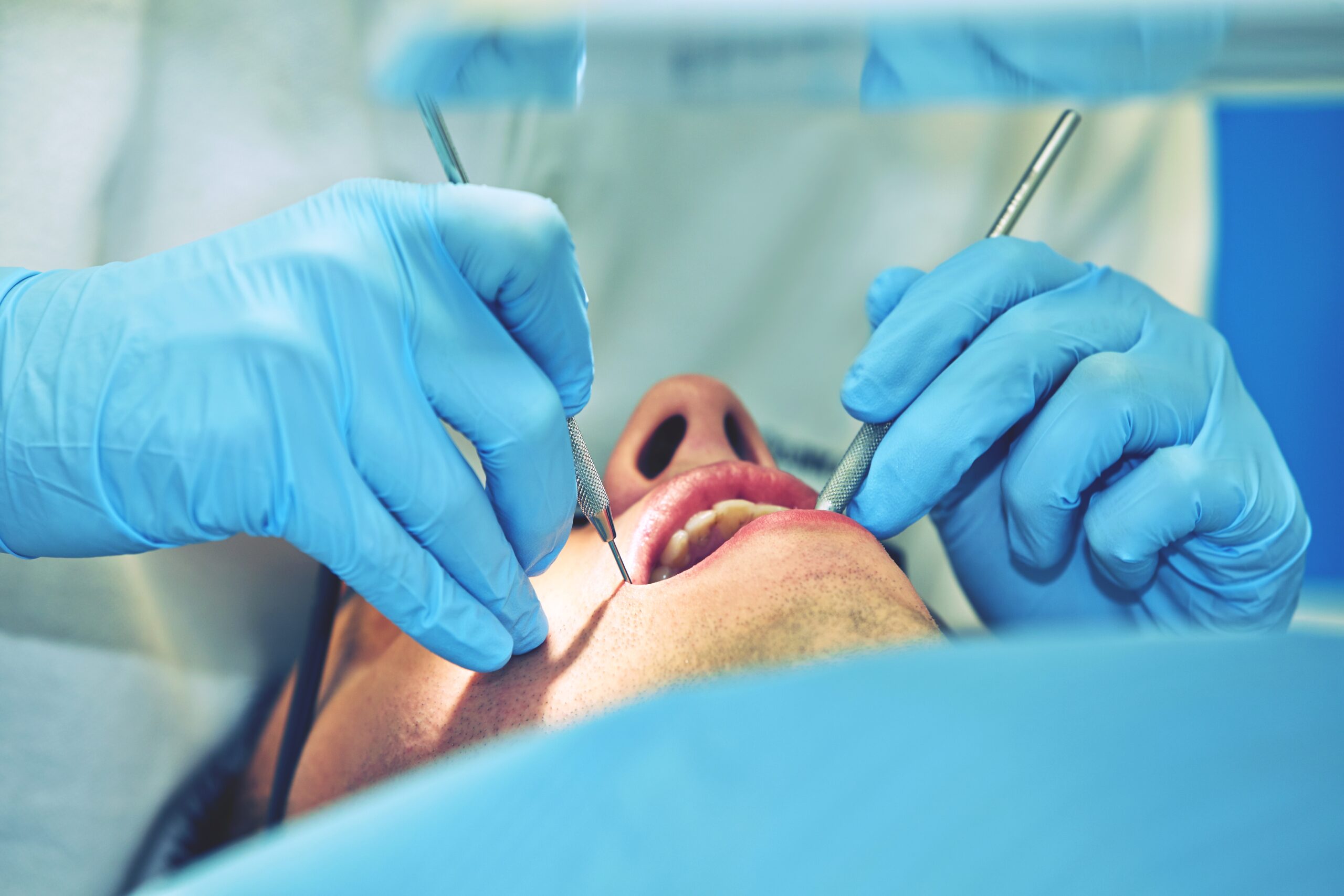
What Happens During an Extraction?
Your appointment begins with a thorough examination and advanced imaging to evaluate the tooth, surrounding bone, and nearby structures.
Before treatment begins, we'll explain the procedure, discuss your comfort options, and answer any questions you have.
Our goal is to make the procedure as gentle as possible while helping you heal comfortably afterward.
Comfort Comes First.
Many patients are surprised by how comfortable modern extractions can be.
CFD offers multiple levels of sedation, including IV sedation with a board-certified physician anesthesiologist for patients undergoing more complex procedures or those with significant dental anxiety.
We'll recommend the option that's appropriate for your procedure and comfort level.
Learn About Sedation Dentistry →Planning What Comes Next
Removing a tooth is only one part of treatment.
If replacement is recommended, we'll help you understand all of your options, including dental implants, bridges, or dentures. Whenever possible, we'll create a plan that restores both function and appearance while protecting your long-term oral health.
PRF, Bone Preservation & Healing
When appropriate, we may use PRF, bone grafting, collagen plugs, or other bone-preservation techniques following an extraction. These approaches are designed to support healing, preserve the extraction site, and help prepare the area for future restorative treatment when needed.
Explore Restorative Dentistry →Frequently Asked Questions
We’ll examine the tooth and determine whether it can be predictably restored. Depending on the damage, treatment such as a filling, crown, or root canal may help preserve it. An extraction is generally recommended when saving the tooth is no longer the healthiest long-term option.
If you’re unsure about a recommended extraction, it’s reasonable to have the tooth evaluated. We can explain what we see, whether there are realistic options for saving it, and why removal may or may not be recommended.
The area is numbed with local anesthesia to keep you comfortable during the procedure. If you’re anxious or need additional support, sedation options may also be available depending on your needs.
Some soreness and swelling can be expected while the area begins to heal. We’ll give you clear aftercare instructions, including how to protect the extraction site and what to watch for during recovery.
Not every extraction requires tooth replacement, but leaving certain spaces open can affect your bite and surrounding teeth. Depending on the location and your needs, we may discuss options such as a dental implant, bridge, or denture.
Let's Talk About the Best Option for Your Smile.
If you're experiencing tooth pain or have been told you may need an extraction, we'll help you understand your options and recommend the treatment that's right for you.